Check PUC Status
Pollution Certificate
Pollution Certificate Check
Pollution Certificate Fine
Pollution Certificate India
Pollution Certificate Renewal
pollution testing centre
Pollution Under Control Certificate
PUC Certificate
PUC Certificate India
PUC Online
taxi pollution certificate
Vehicle Pollution Certificate
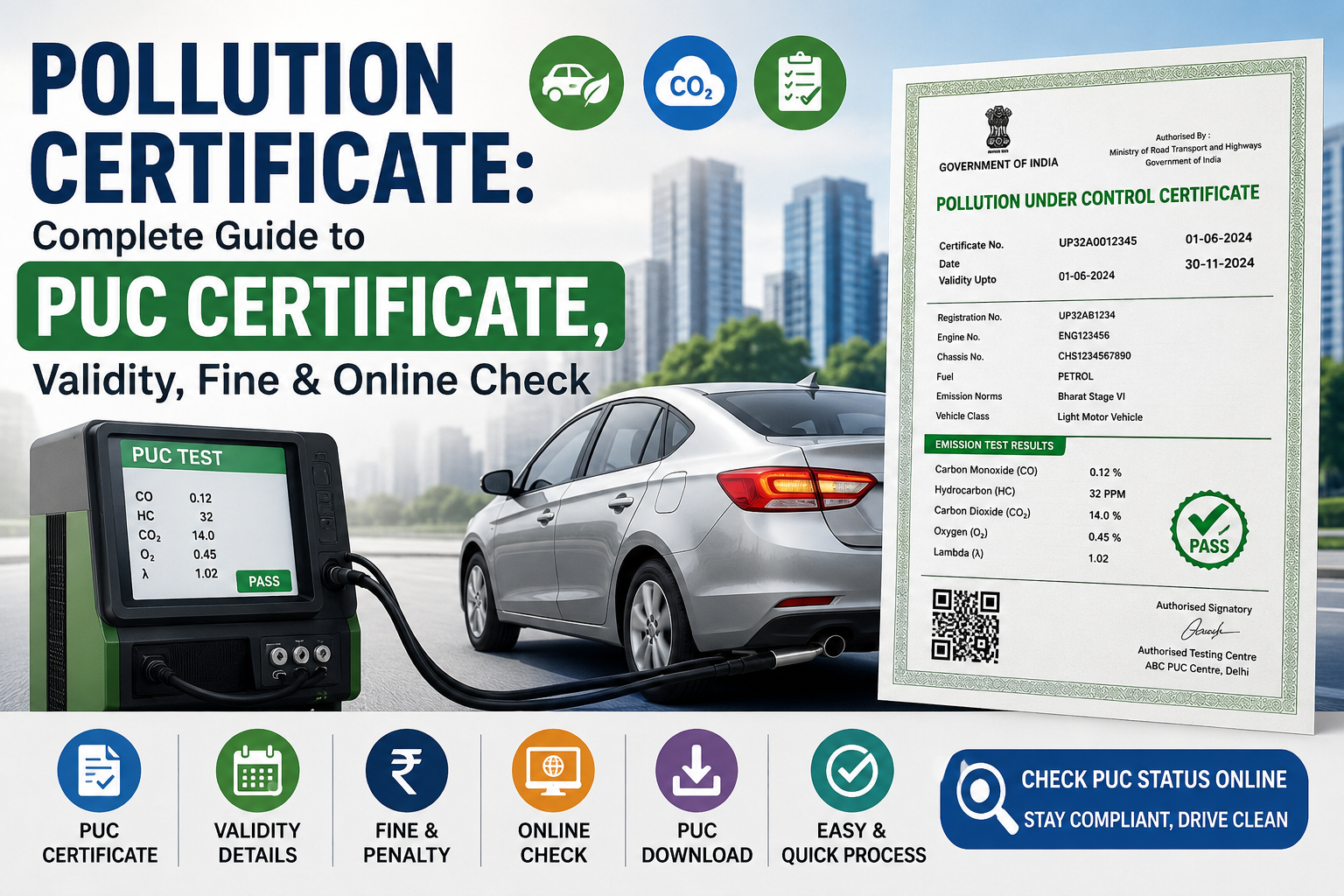
If you own a bike, car, SUV, truck, taxi, or any commercial vehicle in India, you’ve probably heard about the Pollution Certificate. It’s one of those documents that many people don’t think about until they receive a traffic challan or realize their certificate has expired.
The truth is, keeping your PUC Certificate up to date isn’t just about following the law. It’s also about making sure your vehicle runs efficiently and contributes less to air pollution. With millions of vehicles on Indian roads every day, even small improvements in emissions can make a significant difference.
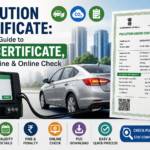
The good news? Getting a Pollution Under Control Certificate is quick, affordable, and easier than ever thanks to digital services that allow you to check PUC Status, complete a PUC Download, and verify your Pollution Certificate Status Online.
What is a Pollution Certificate?
A Pollution Certificate, officially known as a Pollution Under Control Certificate (PUC Certificate), is a government-recognized document that confirms your vehicle’s emissions are within the limits prescribed under Indian environmental regulations.
Every petrol, diesel, CNG, and LPG vehicle must undergo periodic emission testing at an authorized PUC centre. Once your vehicle passes the test, you’ll receive a valid certificate.
The certificate is issued after checking emissions like:
- Carbon Monoxide (CO)
- Hydrocarbons (HC)
- Smoke density (for diesel vehicles)
Without a valid Pollution Certificate, your vehicle can be considered non-compliant with Indian traffic laws.
Why is a PUC Certificate Important?
Many people consider the certificate just another document required during traffic inspections. In reality, it offers much more.
A valid pollution certificate:
- Confirms your vehicle follows emission norms.
- Helps reduce environmental pollution.
- Keeps your engine performance in check.
- Helps identify engine issues early.
- Prevents heavy traffic fines.
- Is mandatory under Indian motor vehicle laws.
Regular emission testing often reveals engine problems before they become expensive repairs. A vehicle that suddenly fails the emission test usually needs servicing, saving you money in the long run.
Who Needs a PUC Certificate?
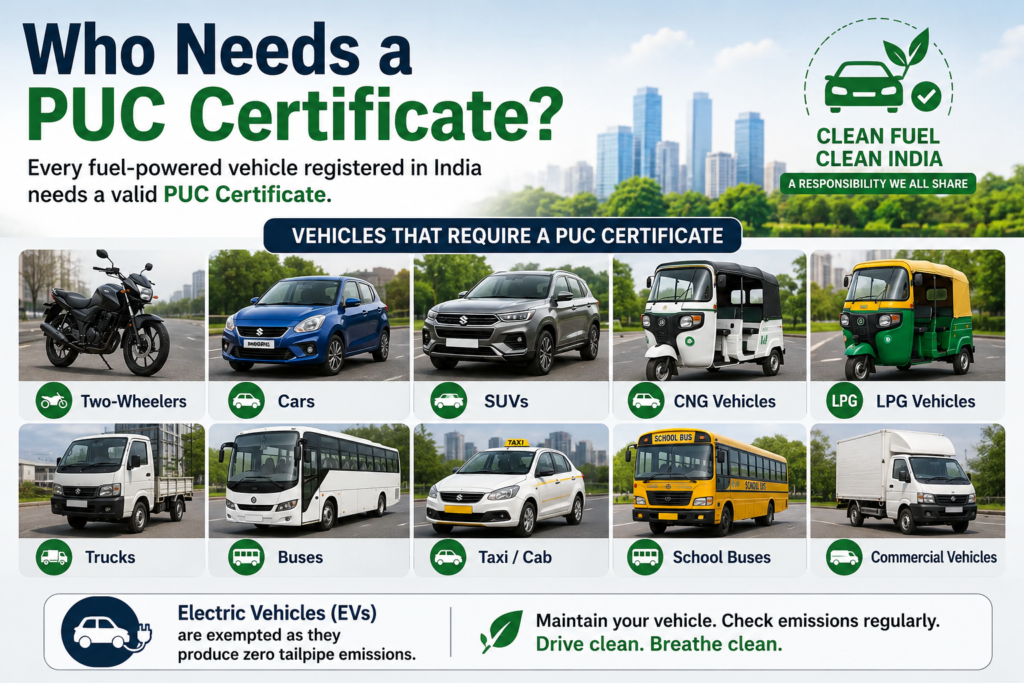
Every fuel-powered vehicle registered in India requires a valid PUC Certificate India.
This includes:
- Two-wheelers
- Cars
- SUVs
- Diesel Vehicles
- Petrol Vehicles
- CNG Vehicles
- LPG Vehicles
- School Buses
- Trucks
- Commercial Vehicles
- Taxi Fleets
Electric Vehicles (EVs) are exempt because they don’t produce tailpipe emissions.
What is a Pollution Under Control (PUC) Certificate?
The Pollution Under Control certificate is issued by an authorized emission testing centre after your vehicle passes the pollution test.
The certificate contains important details such as:
- Vehicle registration number
- Engine number
- Chassis number
- Fuel type
- Date of testing
- Validity period
- Emission readings
- Testing centre information
Today, many states also offer PUC online verification, making it easier to access your certificate whenever required.
When Should You Get a PUC Certificate?
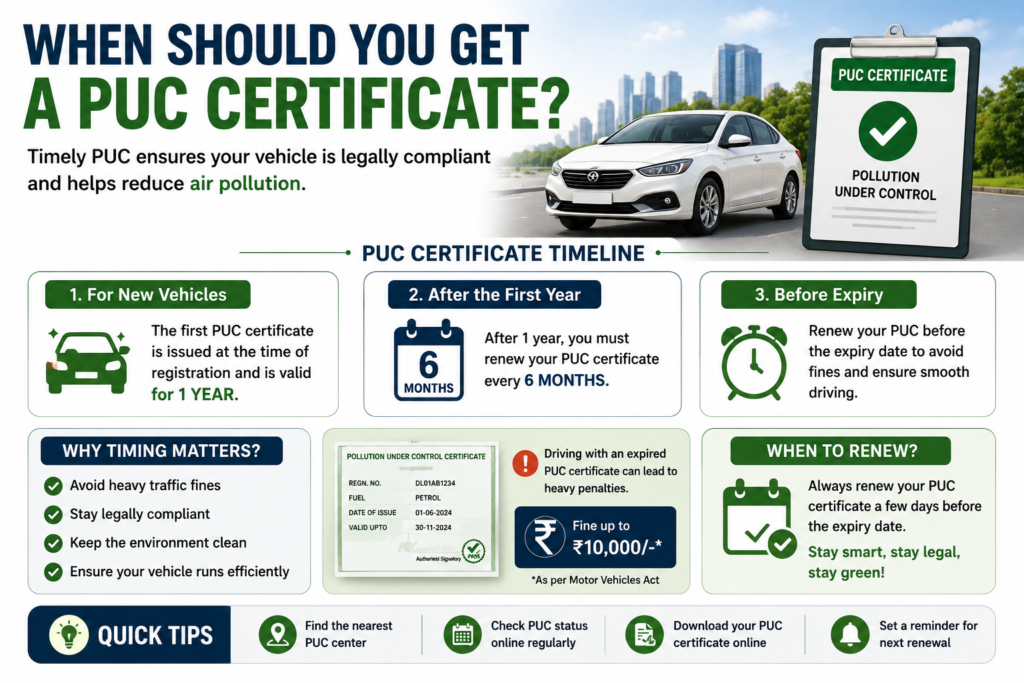
For new vehicles:
The first PUC certificate is generally provided by the dealer and remains valid for one year from the vehicle’s registration date.
After the first year:
The certificate usually remains valid for six months, although validity may vary depending on state regulations and vehicle condition.
It’s always a good idea to renew it before the expiry date rather than waiting until the last minute.
How Does a PUC Test Work?
The testing process is surprisingly simple.
An emission testing machine measures pollutants released through your vehicle’s exhaust pipe.
The machine checks:
- Carbon Monoxide (CO)
- Hydrocarbon (HC)
- Smoke Density (Diesel Vehicles)
The complete process usually takes less than five minutes.
If your vehicle meets the prescribed standards, the operator immediately issues the Pollution Under Control Certificate.
Pollution Certificate Validity
One of the most common questions vehicle owners ask is how long their Pollution Certificate remains valid.
Generally:
| Vehicle Type | Validity |
| New Vehicle | 1 Year |
| Existing Vehicle | Usually 6 Months |
| Commercial Vehicle | Subject to Testing Results |
If your vehicle fails the emission test, you’ll need to repair it before receiving a valid certificate.
Never wait until the last day. Renewing your certificate a few days before expiry helps you avoid unnecessary inconvenience.
How to Get a Pollution Certificate?
Obtaining a Pollution Certificate is quick and affordable.
Step 1: Visit an Authorized PUC Centre
PUC centres are available at:
- Petrol Pumps
- Government Approved Testing Centres
- Vehicle Service Stations
- RTO Approved Emission Centres
Step 2: Vehicle Emission Test
The operator inserts a probe into your vehicle’s exhaust pipe.
Within a few minutes, the machine records the emission values.
Step 3: Certificate Issued
If the readings fall within government-approved limits, you’ll receive your Pollution Certificate immediately.
Many centres also upload the certificate digitally.
PUC Online Services
Technology has made managing your vehicle documents much easier.
Today, several services are available through PUC Online portals.
You can:
- Check Certificate Status
- Verify Expiry Date
- Find Nearby PUC Centres
- Download Digital Certificate
- Confirm Emission Test History
Although the emission test must be completed physically, many related services are now available online.
How to Apply for PUC Online
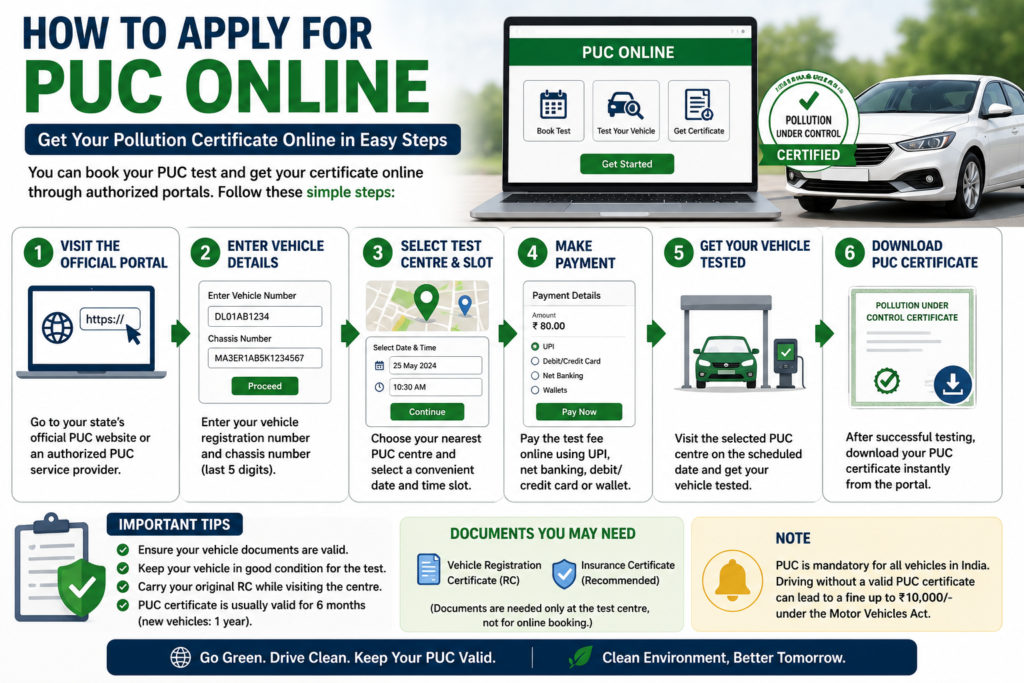
Many vehicle owners now prefer using PUC online services.
Although the emission test must be conducted physically, several online services help you:
- Check certificate status
- Download PUC certificate
- Verify validity
- Find nearby testing centres
This saves time and reduces paperwork.
PUC Download
Lost your certificate?
There’s no need to revisit the testing centre.
Using the PUC Download facility, you can retrieve your certificate online.
Typically, you’ll need:
- Vehicle Registration Number
- Last Five Digits of Chassis Number
After verification, the certificate can be downloaded and saved on your smartphone or printed for future use.
Keeping a digital copy is always a smart idea.
How to Check PUC Status?
Many vehicle owners forget when their certificate expires.
Fortunately, you can easily Check PUC Status online.
Simply enter:
- Registration Number
- Verification Details
The portal will display:
- Certificate Number
- Date of Issue
- Expiry Date
- Vehicle Details
- Emission Test Information
Checking your certificate every few months helps prevent last-minute surprises.
Pollution Certificate Status Online
The Pollution Certificate Status Online feature allows vehicle owners to instantly verify whether their certificate is active.
This service is especially useful when:
- Buying a used vehicle
- Renewing insurance
- Preparing for long-distance travel
- Managing multiple commercial vehicles
Fleet operators often rely on online verification to ensure every vehicle remains compliant.
Pollution Certificate Price in India
One reason people postpone getting a Pollution Certificate is the misconception that it’s expensive.
In reality, it’s one of the most affordable vehicle compliance documents.
Approximate testing charges:
| Vehicle Type | Estimated Price |
| Bike | ₹60–₹100 |
| Petrol Car | ₹80–₹120 |
| Diesel Car | ₹100–₹150 |
| Commercial Vehicle | ₹100–₹200 |
The Pollution Certificate Price may vary slightly depending on your state and vehicle category.
Fine for Driving Without a Pollution Certificate
Driving without a valid Pollution Certificate can result in significant penalties under the Motor Vehicles Act.
Possible consequences include:
- Heavy monetary fines
- Vehicle inspection
- Legal action for repeated violations
- Compliance notices from traffic authorities
Renewing your certificate on time is far less expensive than paying penalties.
Documents Required for PUC Certificate
Fortunately, the documentation is minimal.
Usually, you’ll need:
- Vehicle registration certificate (RC)
- Existing PUC certificate (for renewal)
- Vehicle itself for testing
No lengthy paperwork is involved.
Common Reasons Vehicles Fail the Emission Test
Sometimes a vehicle appears to be running perfectly but still fails the PUC test.
Common reasons include:
- Dirty Air Filter
- Worn Spark Plugs
- Poor Fuel Quality
- Faulty Fuel Injectors
- Engine Misfiring
- Clogged Catalytic Converter
- Delayed Vehicle Servicing
Fortunately, most of these issues can be resolved with routine maintenance.
Expert Tips to Pass the PUC Test
Want to avoid a second visit?
Here are a few practical tips.
Service Your Vehicle Regularly
A properly maintained engine burns fuel more efficiently.
Warm Up the Engine
Drive your vehicle for a few minutes before the test.
Replace Dirty Air Filters
Clean airflow reduces emissions.
Use Good Quality Fuel
Poor-quality fuel often produces excessive smoke.
Don’t Ignore Dashboard Warning Lights
Even a minor engine issue can increase emissions.
Difference Between RC, Insurance and PUC Certificate
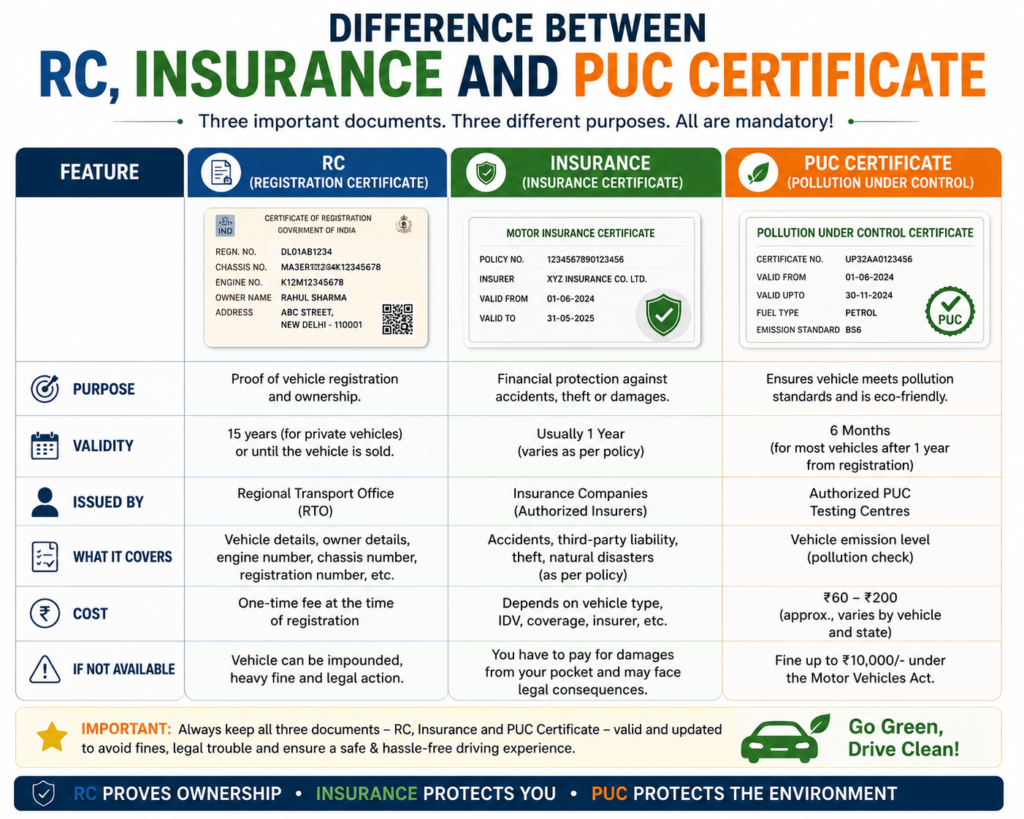
Many vehicle owners confuse these documents.
| Document | Purpose |
| Registration Certificate | Vehicle Ownership |
| Insurance | Financial Protection |
| Pollution Certificate | Emission Compliance |
All three documents are mandatory for legal road use.
Benefits of Keeping Your Pollution Certificate Updated
Keeping your Pollution Certificate valid offers several long-term benefits.
Better Engine Health
Vehicles with lower emissions generally perform better.
Improved Fuel Economy
Efficient combustion reduces fuel consumption.
Legal Compliance
Avoid unnecessary traffic challans.
Cleaner Environment
Reduced emissions improve air quality.
Peace of Mind
No worries during routine traffic inspections.
Frequently Asked Questions
1. What is a Pollution Certificate?
A Pollution Certificate is an official document proving that your vehicle’s emissions are within government-approved pollution limits.
2. How can I Check PUC Status online?
You can Check PUC Status by entering your vehicle registration number and required verification details on the official PUC portal.
3. How do I complete a PUC Download?
Use the online PUC Download service by providing your registration number and chassis details to retrieve a digital copy of your certificate.
4. What is the validity of a PUC Certificate?
For new vehicles, the certificate is generally valid for one year. After that, it is commonly renewed every six months, subject to applicable rules.
5. What is the Pollution Certificate Price?
The Pollution Certificate Price typically ranges between ₹60 and ₹200 depending on the vehicle type and state regulations.
Final Thoughts
A valid Pollution Certificate is more than just a legal requirement—it’s a simple way to ensure your vehicle runs cleanly, efficiently, and responsibly. Regular emission testing helps identify engine problems early, improves fuel economy, and supports cleaner air for everyone.
Whether you drive a personal car, a motorcycle, or manage a fleet of commercial vehicles, don’t wait for a traffic inspection to discover your certificate has expired. Use PUC Online services to Check PUC Status, complete a PUC Download, verify your Pollution Certificate Status Online, and renew your certificate before its expiry date.
Ready to Renew Your PUC Certificate?
Check your certificate today, schedule your next emission test, and keep your vehicle road-legal while contributing to a cleaner and healthier India.